

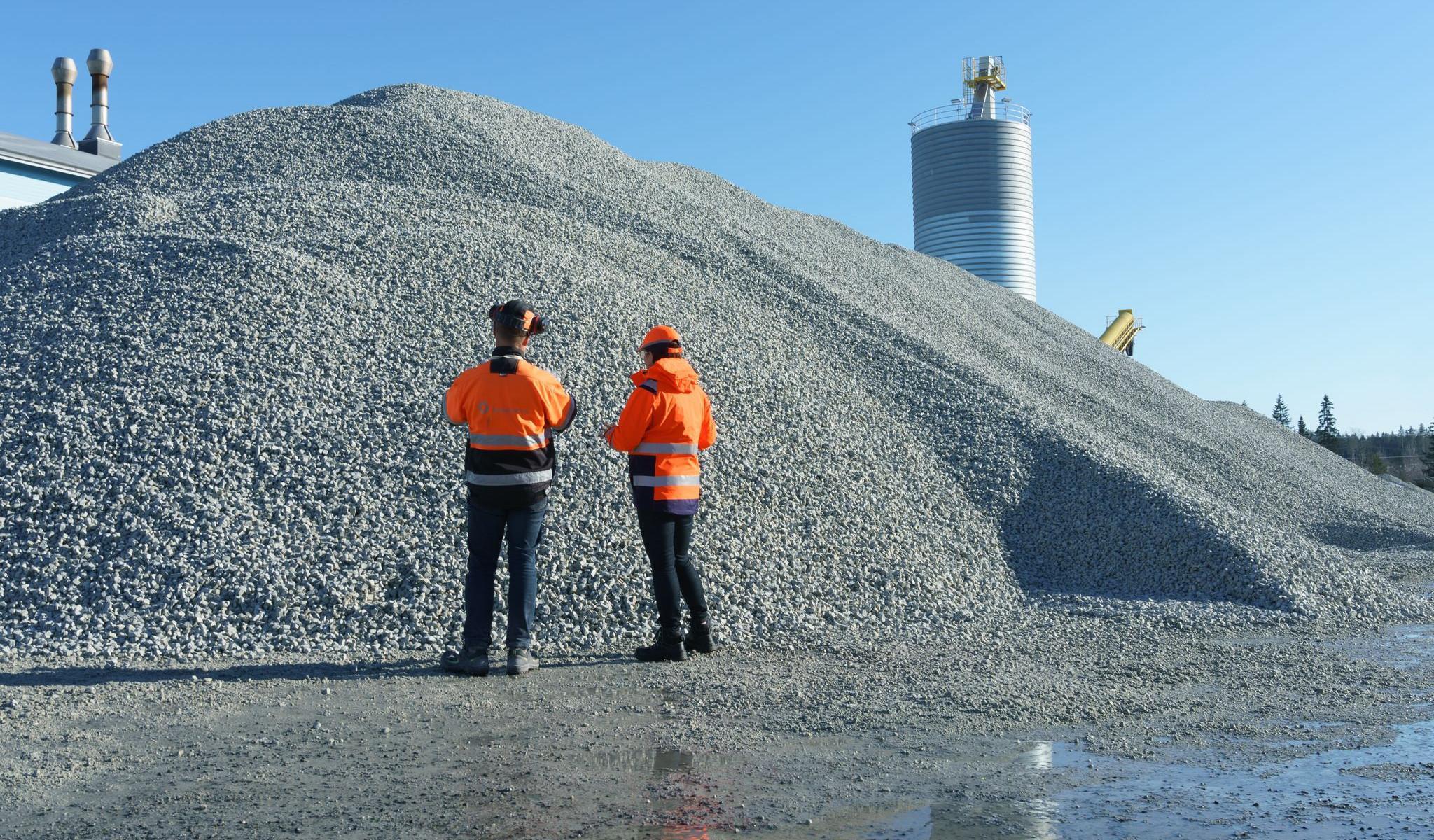
A total of 1417 safety observations were recorded across Foamit’s operations in 2025 – up from 960 the year before. The 48 % increase might at first glance raise concerns, but in reality it reflects something very different: a stronger, more proactive safety culture.
At our production sites, safety is not only about preventing accidents. It is also about identifying risks early, learning continuously, and embedding safety into everyday work.
Safety starts with everyday actions
In daily operations, safety observations are often simple, yet meaningful. “Safety observations can be very simple – like a broom left on a staircase,” says Svend Aage Larsen, Plant Manager at Onsøy site in Norway. “The important thing is that someone notices it and takes action immediately.”
Many observations relate to basic issues such as order and tidiness. At the Swedish site, this mindset is actively reinforced. “Work is not done until the mess created while performing a task has been cleared,” says Jonas Dartman, Plant Manager in Sweden. These small actions form the foundation of safety culture. When employees continuously identify and address minor risks, they reduce the likelihood of more serious incidents over time.
“Work is not done until the mess created while performing a task has been cleared.”
From observations to real improvements
For safety observations to have real value, they must lead to action. At both sites, observations are reviewed systematically every week. In Sweden, the weekly Production Meeting brings together the Production Manager, Production Leaders and the Maintenance Coordinator to go through new and open observations, discuss solutions, and assign responsibilities.
The meeting opens with a question that reveals a lot about how safety is approached: “The first topic on our agenda is always: ‘How do we feel today?'” Dartman explains. “After that, we go through all new and open observations, discussing solutions and assigning a responsible person.” This structured approach ensures that observations are not just recorded, but actively used to improve operations.
In some cases, repeated observations can lead to significant investments. At the Onsøy site, feedback from employees highlighted challenges related to the surface conditions in loading and storage areas. The result was a major improvement project covering more than 8000 square metres of new pavement. “These observations led to a much better working situation for our front loader drivers,” Larsen says. The example illustrates how even small, repeated observations can build a strong case for larger improvements – directly impacting both safety and efficiency.
Building a culture where people speak up
A key sign of a strong safety culture is the willingness of employees to report observations openly. At Foamit, the threshold for reporting has become increasingly low. “There is a very low threshold to report safety concerns at all levels,” Larsen notes. “We also see a good amount of self-reporting of incidents without fear of being reprimanded.”
This openness is not created overnight. It requires consistent leadership, clear processes, visible follow-up. “Building culture and allocating resources are the most important ways to encourage employees,” Larsen adds. “When people see that their observations lead to real actions, it builds trust and strengthens the reporting culture over time.”
Top management plays a central role in this development. “Top management focus has a big impact on safety culture in our group,” Larsen says. “By establishing good incentives, allocating resources, conducting training and providing the right tools, we make sure safety stays high on the agenda.”
At the same time, safety awareness becomes part of everyday thinking.
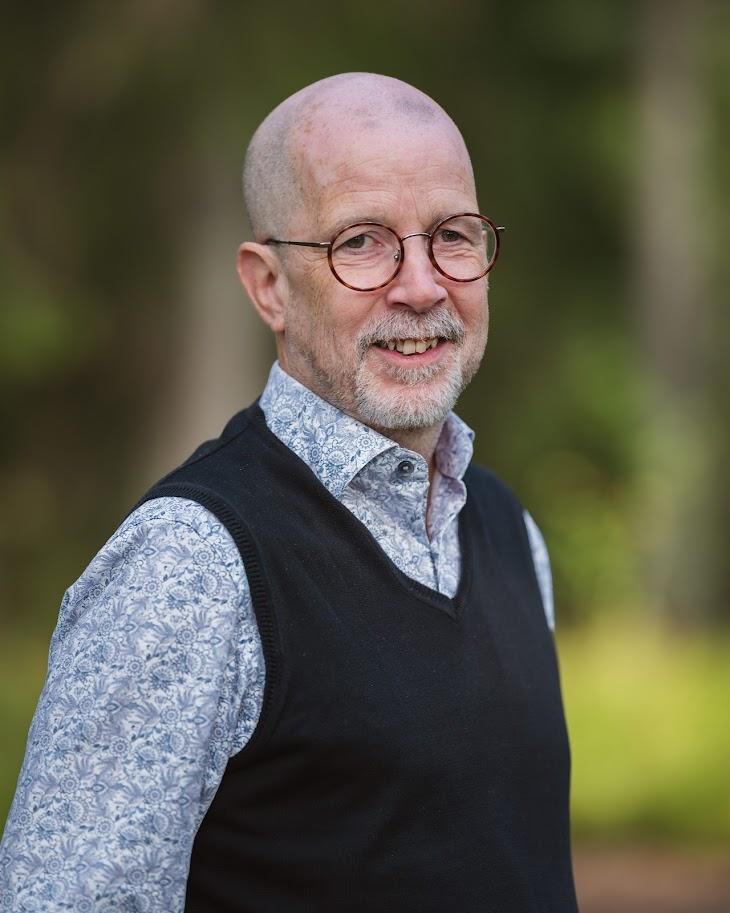
“When people start to put on their ‘safety goggles’, they begin to see risks everywhere,” Dartman says. “And that changes how they behave at work.”
Learning from the past, preventing the future
The ultimate goal of safety work is clear: zero accidents. While our accident levels are already low – and have continued to drop in recent years – continuous improvement remains a priority. The increase in safety observations plays a key role in this development.
“When safety awareness becomes part of everyday work, it naturally leads to fewer accidents,” Dartman explains. For Larsen, the value of systematic observation lies above all in learning from experience. “Those who do not know their history risk repeating their mistakes,” he says. “If we manage to identify many small, low-risk observations, we can prevent them from adding up to one high-risk incident.”
By identifying and addressing risks early, safety observations help maintain a constant focus on safety – not only as a requirement, but as an integral part of operations. At Foamit, safety is not built through isolated initiatives or one-time campaigns. It is built through everyday actions, shared responsibility, and continuous learning.
Do you want to know more? You can learn more in our Sustainability Report: https://foamit.fi/wp-content/uploads/2026/03/foamit-sustainability-report-2025-a4-160326.pdf
 Contact us